Start with the room, not the showroom
Tile shopping in Malaysia tends to begin with photos and end with regret when a glossy floor turns slippery during the monsoon or a pale grout line darkens within a year. A better order is to list how each room is used: wet or dry, high or low traffic, cooking or lounging, children and pets or not. That list narrows the choice before colour and pattern enter the conversation.
Once the needs of each room are clear, browse a ceramic and porcelain catalogue for Malaysian homes and sort options by body type, finish and size rather than by mood board. Porcelain bodies absorb less water than standard ceramic, matt and textured finishes grip better underfoot, and large formats reduce grout lines but demand a flatter base. Note the rated use on each product sheet so floor and wall picks stay separate. Bring home two or three samples and look at them in daylight and at night, since showroom spotlights flatter almost every glaze.
Floors and walls carry different loads
Floors take foot traffic, furniture legs and the occasional dropped pot, so abrasion resistance and slip rating matter most. Walls mainly need stain resistance and a surface that is easy to wipe. Laying a thin wall tile on a floor is a common shortcut that ends in cracks. Ask for the technical sheet and check water absorption, breaking strength and any slip classification the supplier publishes.
Workmanship matters as much as the product. Malaysia’s construction industry board, CIDB, runs the QLASSIC assessment that judges finishes such as tiling for evenness, alignment and hollowness. Even for a small renovation, those criteria give homeowners a fair checklist when they inspect a contractor’s work: tap for hollow sounds, check lippage at joints and confirm movement joints at room edges.
Kitchens: grease, heat and cleaning routines
Kitchens punish surfaces. Splashbacks behind the hob face heat and oil, while floors near the sink see water and dropped food daily. Glazed porcelain with a tight, stain resistant surface makes cleaning easier, and darker or patterned grout hides wear better than bright white. Before choosing, look through kitchen surfaces that handle grease and steam and compare finishes in person under the lighting you will actually cook with.
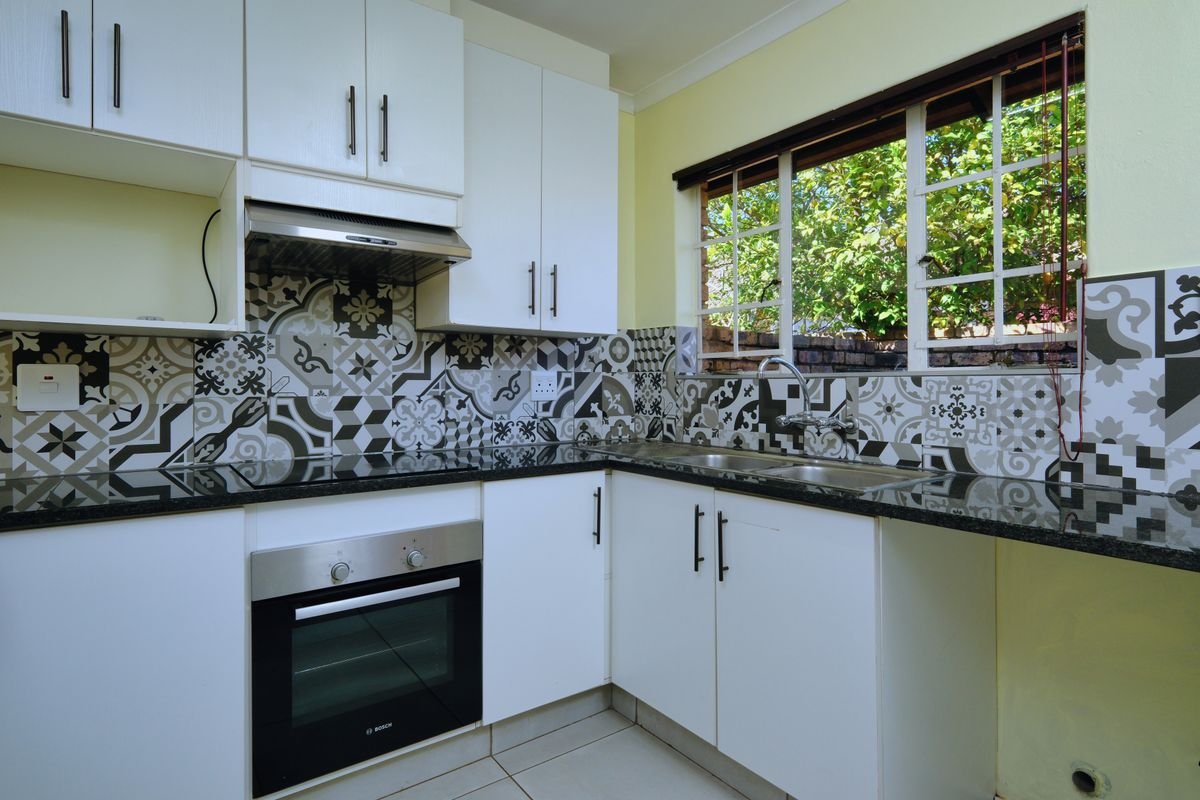
Pattern is where kitchens can show personality. Encaustic designs, like the black and white motif in the photo below, suit a splashback well because the area is small and easy to refresh later. On the floor, a calmer field with a slightly textured finish keeps the room practical for wet mopping.
A tile retailer compares gloss and matt finishes and explains how tile size changes the feel of a kitchen.
Marble looks without the marble upkeep
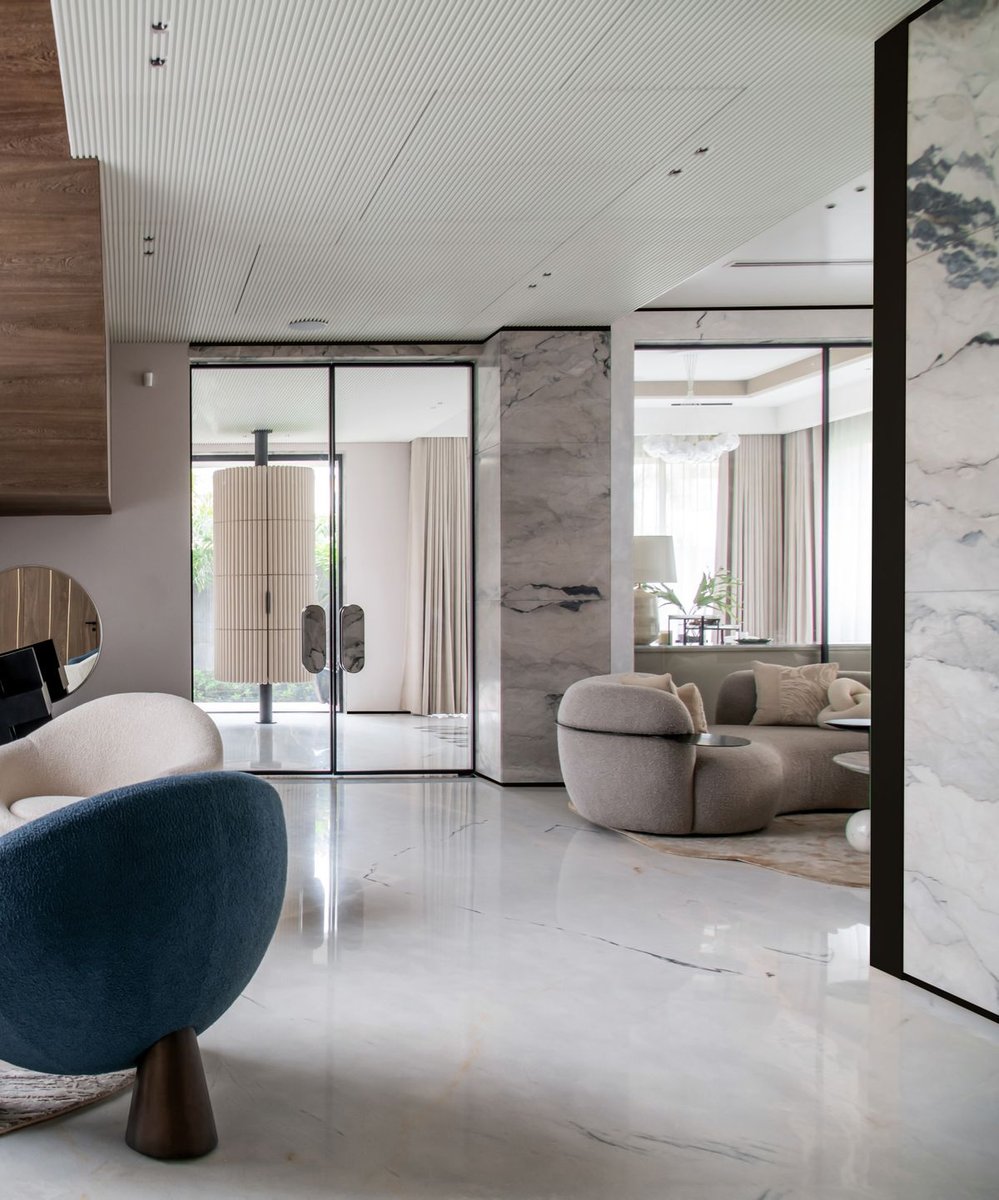
Natural marble is beautiful but porous and sensitive to acids such as lime juice and some cleaners. Many Malaysian homes now choose porcelain that reproduces marble veining instead, gaining a similar look with lower maintenance. For living rooms and foyers, large polished slabs give the seamless effect seen in luxury interiors, while honed versions reduce glare and slipperiness.
When comparing marble-look porcelain options, check how many different face patterns a series includes, since too few repeats make a floor look printed. The Spanish producers’ association, Tile of Spain, publishes design and technical material explaining how digital printing and rectified edges affect the final appearance, which helps when samples look identical in a showroom.
A short checklist before you order
Buy enough from a single batch to cover the area plus roughly ten percent for cuts and future repairs. Confirm the shade and calibre codes on every box. Ask the installer about base preparation, adhesive type and expansion joints before work starts, not after. Keep a few spare pieces labelled in the storeroom, because matching a discontinued design years later is rarely possible. Small decisions made early are what keep a tiled floor flat, quiet and easy to clean for many years.